the future of fashion: sustainability & co-creation

Adidas

My Role

Team captain & UX Design

Duration

3 Months

The Team

1 Mentor 3 UX Designers 2 UX Researchers 5 UI Desingers

Overview

This project was part of an internal Publicis Sapient Studio initiative, where six design teams explored how global brands could embrace sustainability through experience design. Our team was assigned Adidas, and I took the lead on UX direction and design strategy shaping how sustainability and co-creation could come alive in a digital journey. We stood out among the six competing teams and were awarded 1st Runner Up for our concept.

Role & Responsibilities

  • Team Leadership: Managed team dynamics, assigned tasks, and provided mentorship.
  • Design Strategy: Facilitated ideation and brainstorming sessions to generate innovative solutions.
  • User Research: Conducted secondary research to take inform design decisions.
  • Design Execution: Created wireframes and sketches to visualise design concepts.
  • Stakeholder Management: Presented design solutions to stakeholders and incorporated feedback.

The Challenge

Consumers today care deeply about sustainability, yet most fashion experiences don’t help them understand the impact of their choices. Our goal was to reimagine Adidas’ digital presence transforming it from a product-driven platform into an engagement space for conscious co-creation.

Research

To ground our concept, I led a mix of trend scans, desk research leveraging AI, and conversation with domain expert within PS to learn how people perceive “sustainable fashion.”


Adidas research
“Make sustainability transparent, personal, and participatory.”

Why Sustainable Fashion Matters Now

  • Global warming and Climate change are urgent challenges that demand our immediate attention.
  • Fashion industry is one of the biggest polluters.
  • Consumers are growing more conscious about their buying decisions.
  • As a result consumers are seeking out products that have a lower carbon footprint and are made from sustainable materials.

Adidas commitment to the future

Sustainable Materials

Sustainable materials

Increased use of sustainable materials like recycled polyester, organic cotton and sustainable leather.

Sustainable Materials

Carbon reduction

Committed to reducing emissions by 30% by 2030, aiming for carbon neutrality by 2050.

Sustainable Materials

Circular design concept

Materials and products are reused, recycled at the end of their lifecycle. Eg. Futurecraft Loop.

Sustainable Materials

Social responsibility

Fair labour practices, responsible sources of materials, improved working conditions in supply chains.
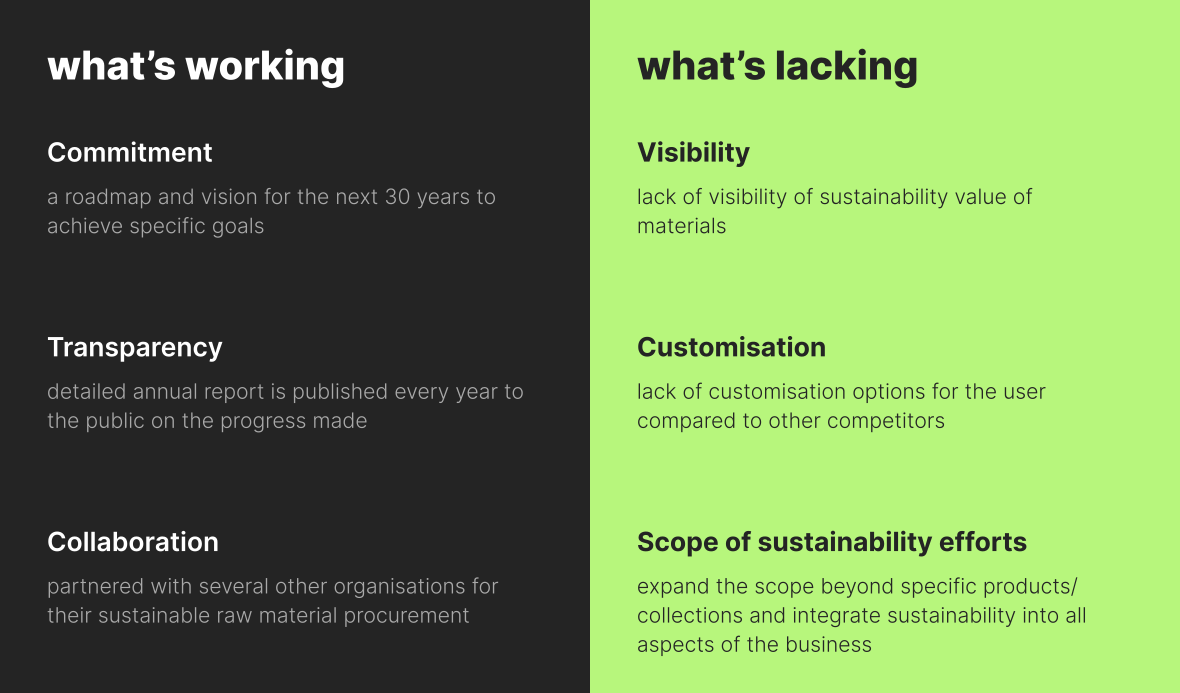
Collab-O-Ready

Problem Statement

Integrating sustainability into the Adidas experience while enhancing personalization for users: how can we combine these two ideals to create an innovative and eco-friendly approach to sportswear?

Target Audience: US Gen Z Shoppers

During our early research and brainstorming, we identified the United States as the primary market to focus on. It is one of the most profitable regions for Adidas, powered by a massive Gen Z population of nearly 67 million.
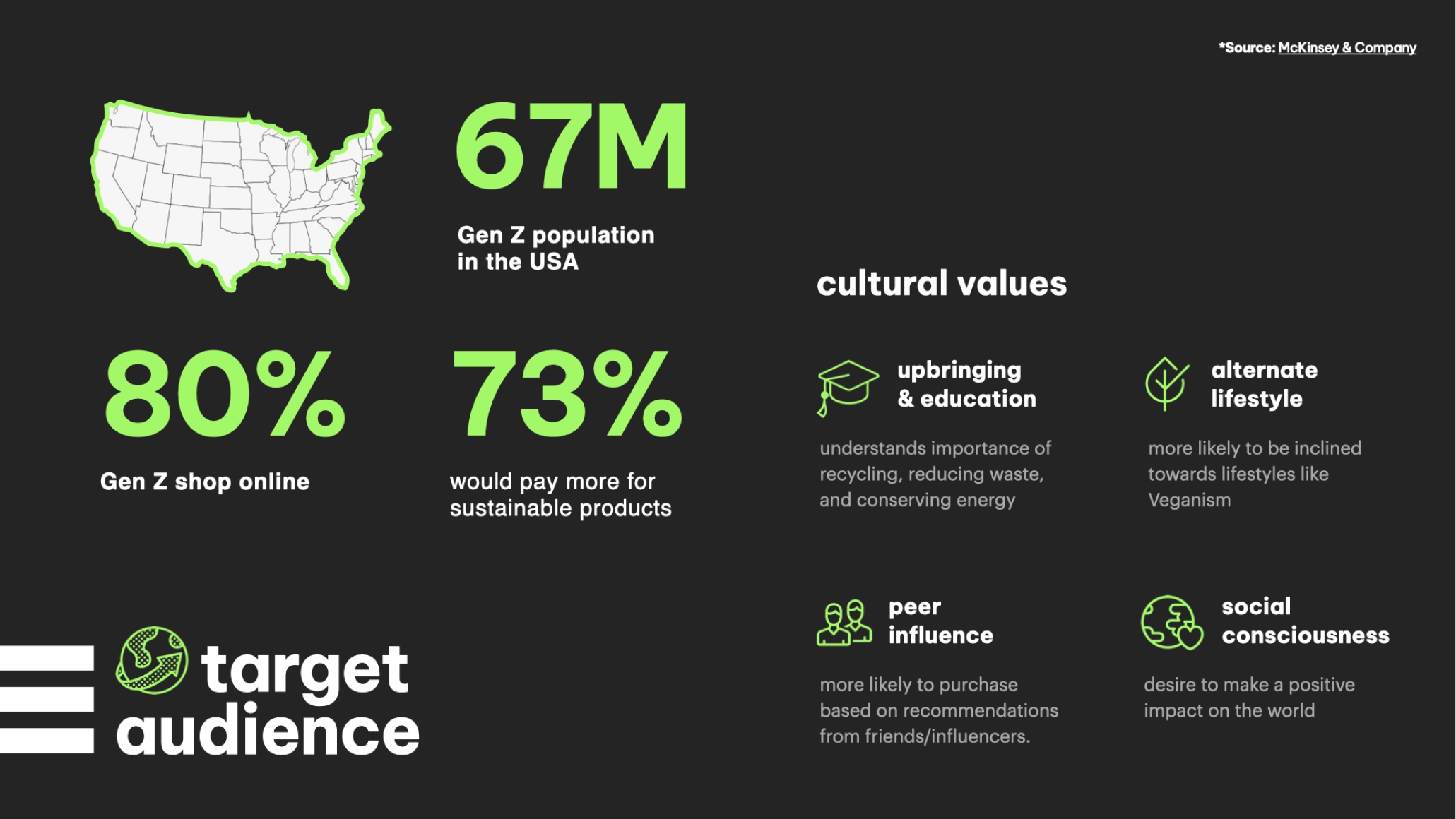
  • Genz are first digital natives and are most likely to shop online and they are early adaptors of new age tech.
  • American GenZ value sustainability and they would not mind paying more. And they have grew up learning significance of recycling, conservation.
  • They are keen to make positive impact on the world.
Target audience

Understanding the User

Meet Taylor Haynes, a 24 year old marketing professional who loves sneakers and values eco-friendly living. She wants to buy consciously but feels disconnected from the real environmental story behind her products.
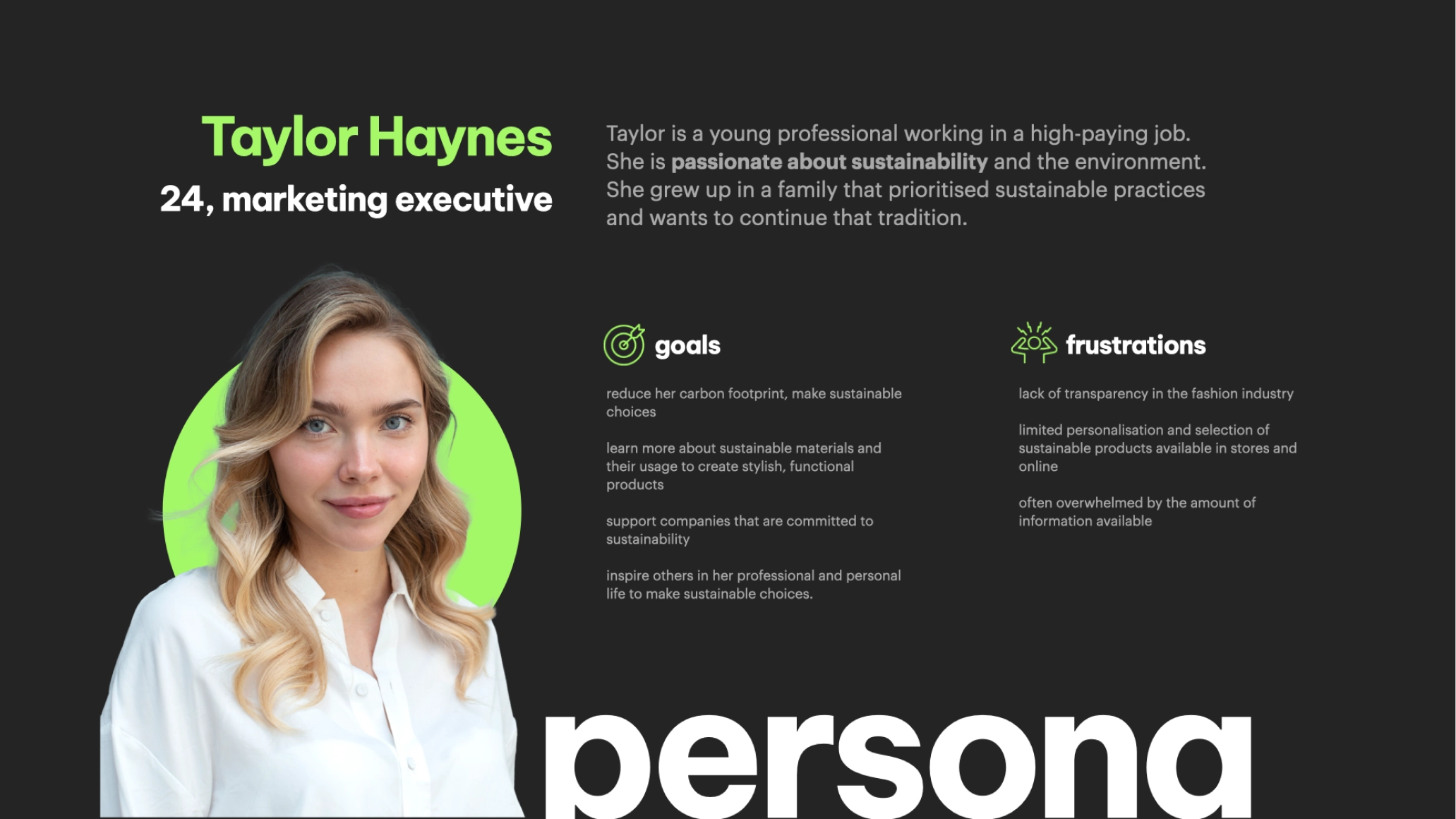
Persona

Our Idea AdiGreen

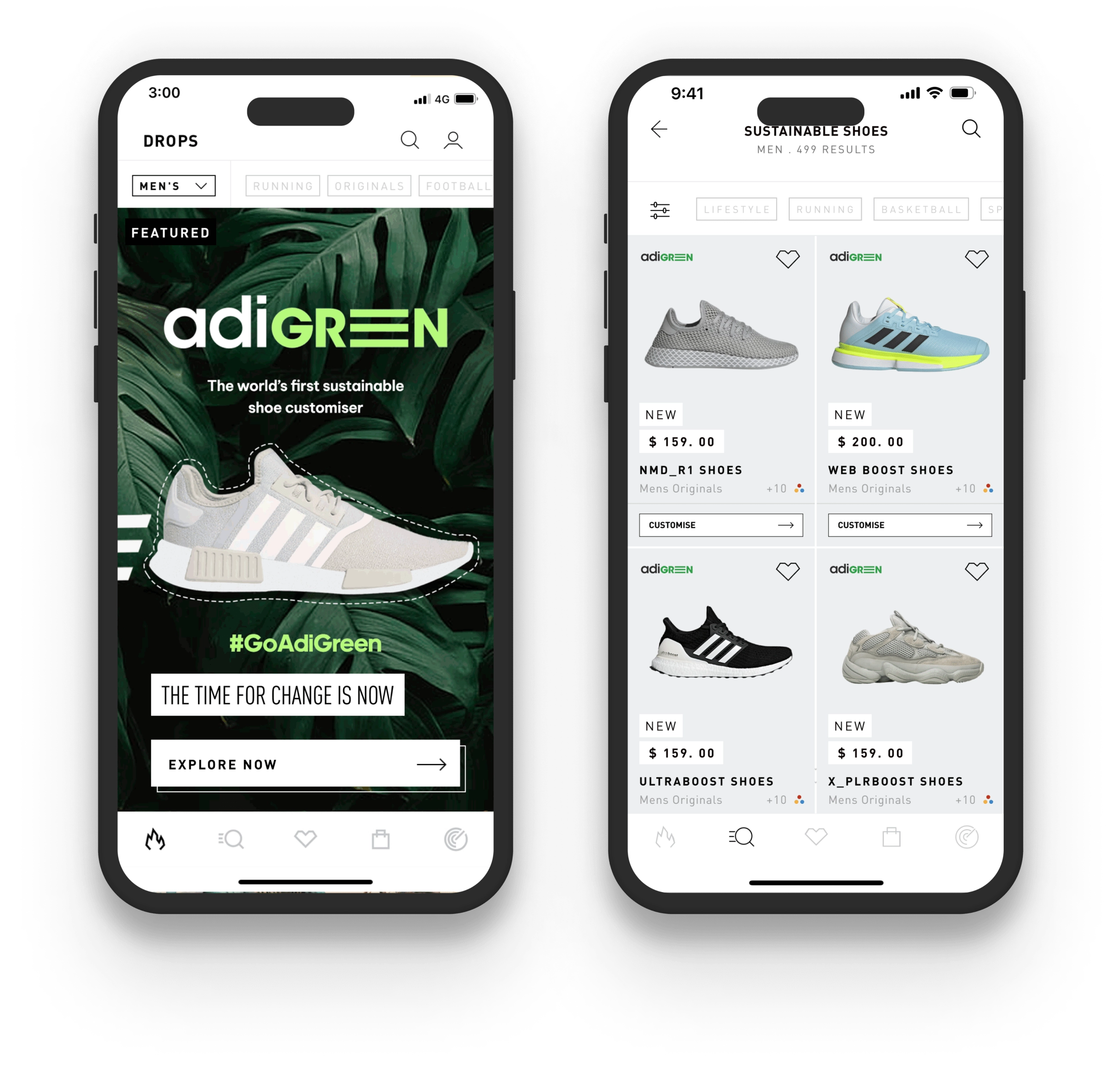
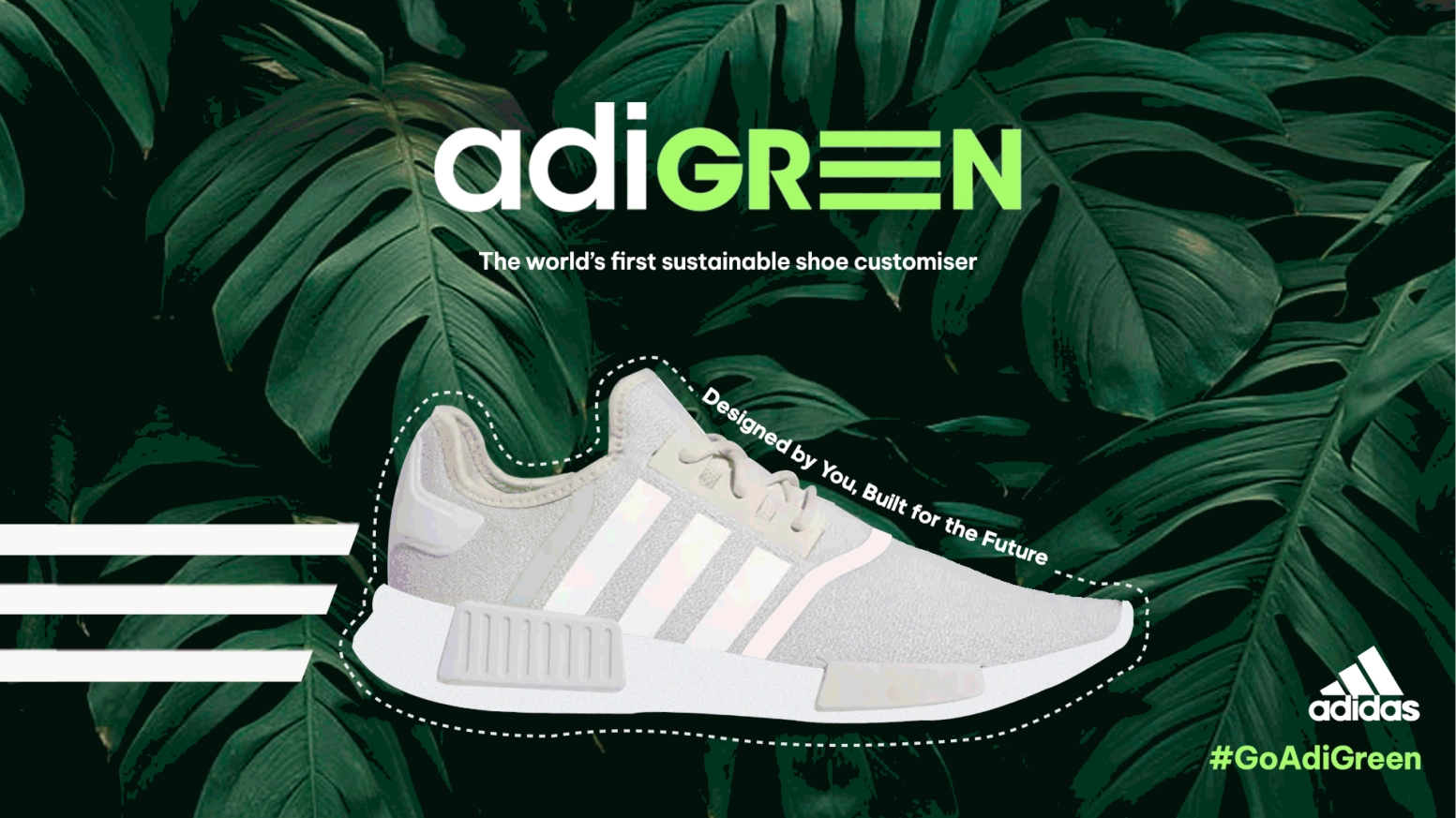
We envisioned AdiGreen, a digital experience that allows users to co-create their own sustainable sneakers. Every design decision from materials to packaging shows an immediate reflection of its environmental impact. It’s not just customization; it’s co-creation with purpose.

Adigreen
Empower

Empower

Educate and empower users with the right information.

Transparent

Transparent

Increased transparency regarding sustainability value of materials 

Inculcate

Inculcate

Inculcate sustainability seamlessly in the digital experience & buying behaviour.

Sustainable Materials

Personalise

Increased personalisation, availability of sustainable choices for the user
User Journey
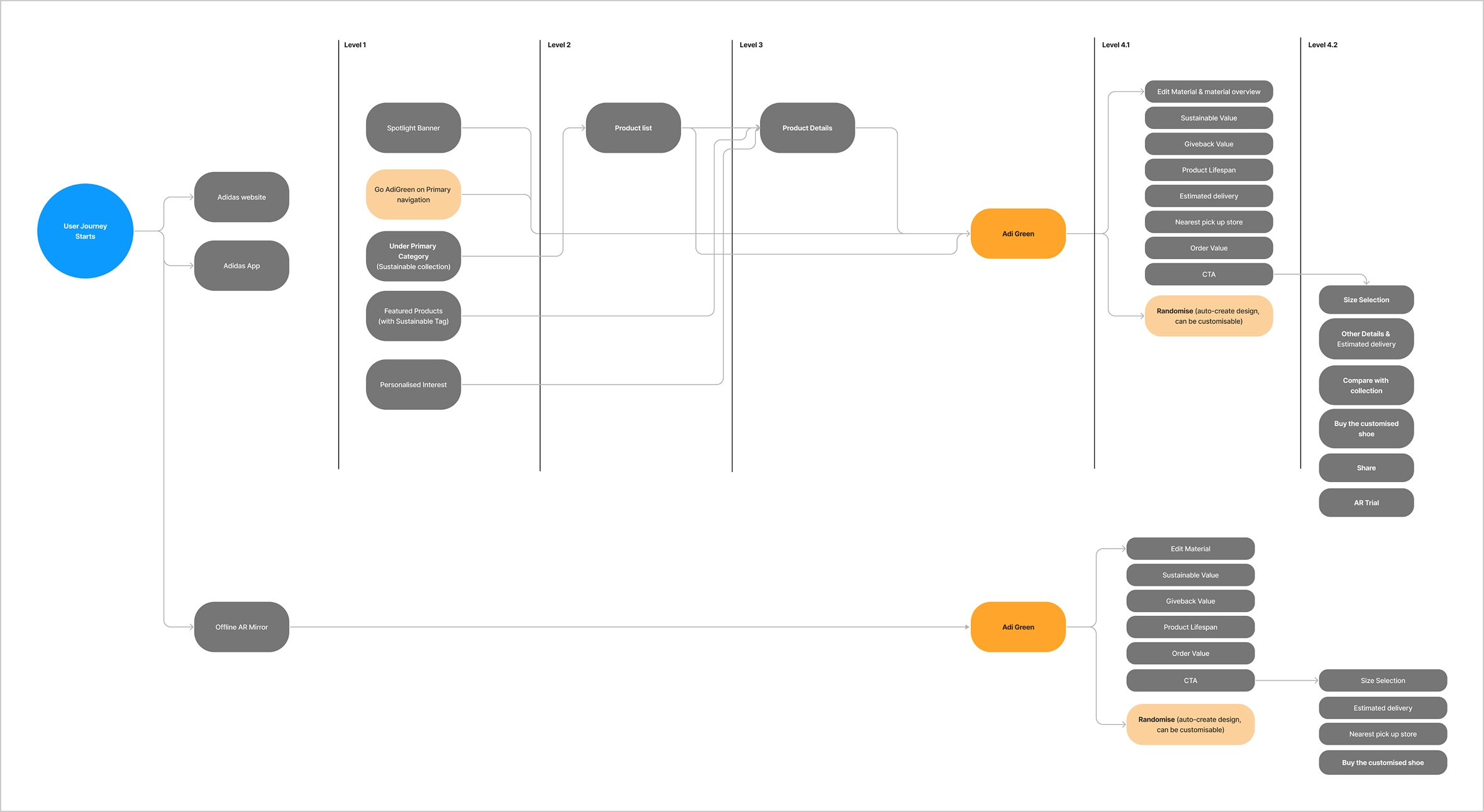
User Flow Journey
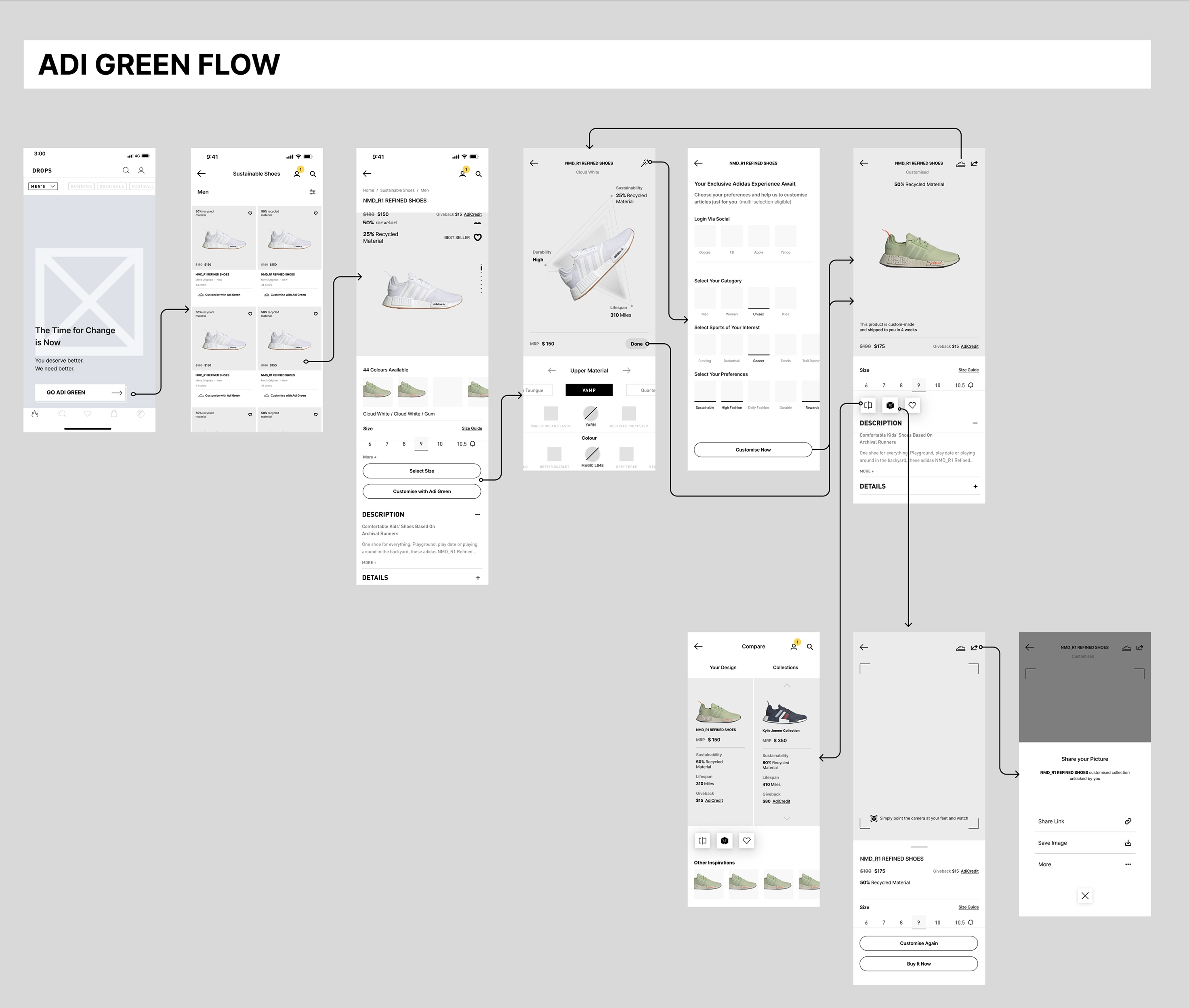
“User journey illustrating how customers discover, explore, and customize sustainable footwear through the Adidas app.”
Wireframe with user flows
Adidas wireframe
“Wireframe exploration showcasing the AdiGreen product flow mapping user interactions from discovery to customization within the Adidas mobile app.”
Final Experience
Discover: dining, spa, entertainment, shore excursions
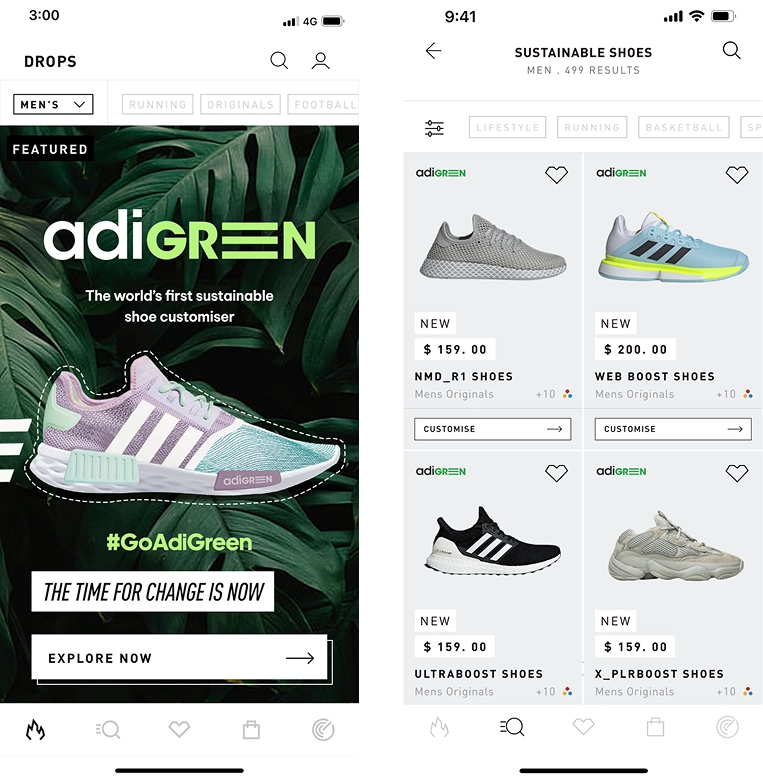
  • The AdiGreen will be featured as one of the primary offerings from adidas.
  • Users can explore AdiGreen collections on the listing page, tagged by the logo
  • All the AdiGreen collections will have a customise button for further sustainable personalisation
My Diary: time-aware itinerary with reminders
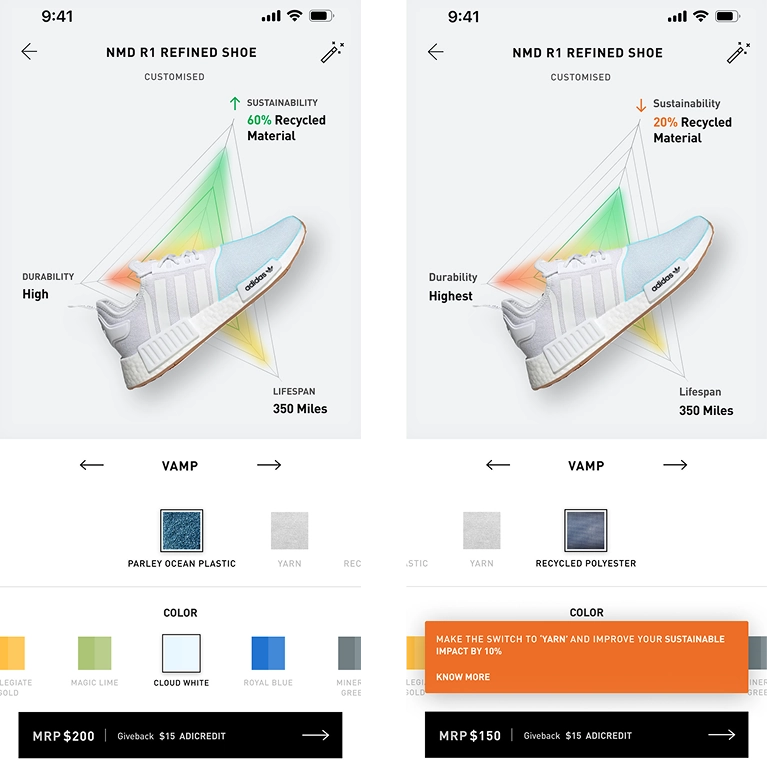
  • The shoe customiser will define any specific shoes in 3 parameters. Sustainability, Durability & Lifespan
  • Based on the material selection, the value of sustainability and amount will increase or decrease
  • If the sustainable value is touching the lowest threshold, then a notification will help users to suggest better material to improve sustainibility
Chat: messaging with fellow travelers
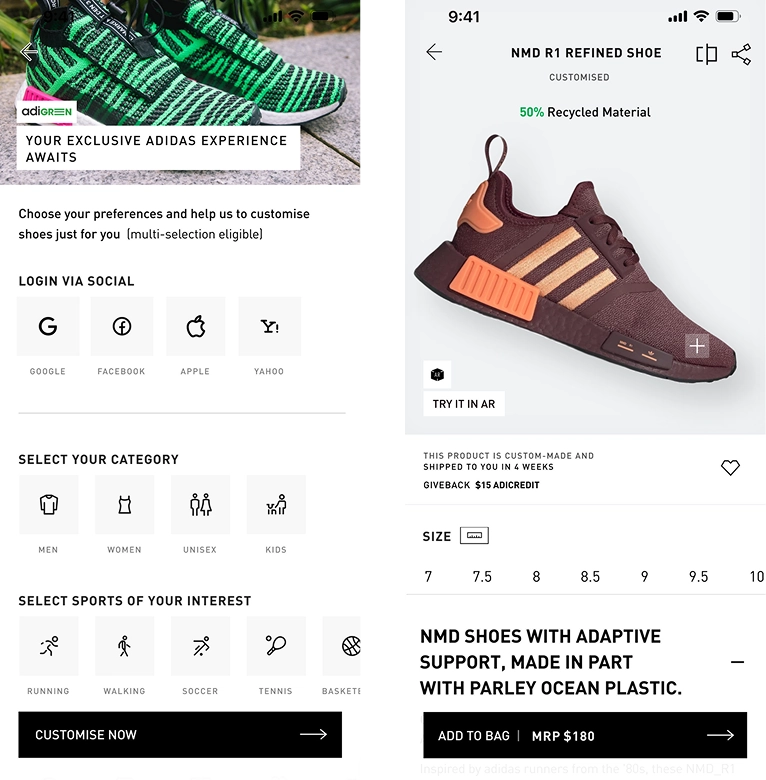
  • The shoe customiser AI engine can also recommend custom-made shoes based on user's preferences
  • Users can also compare featured celebrity collections as well as buy the same collection
  • Users can also earn and spend AdiCredit by buying a sustainable product (online/ offline) or giving back any sports gear to adidas

Reflections

Leading this project taught me that design for sustainability is about behavior, not just features. The experience of collaborating across disciplines and being recognized as 1st Runner Up reinforced my belief that purpose-driven design can be both engaging and commercially relevant.

AdiGreen remains one of my favorite explorations of how UX can turn awareness into action.”

Next Project